
Restore safety and performance from the inside out—UL-listed liners, smart sizing, and meticulous installation for fireplaces, stoves, and heating appliances.
Licensed & Insured
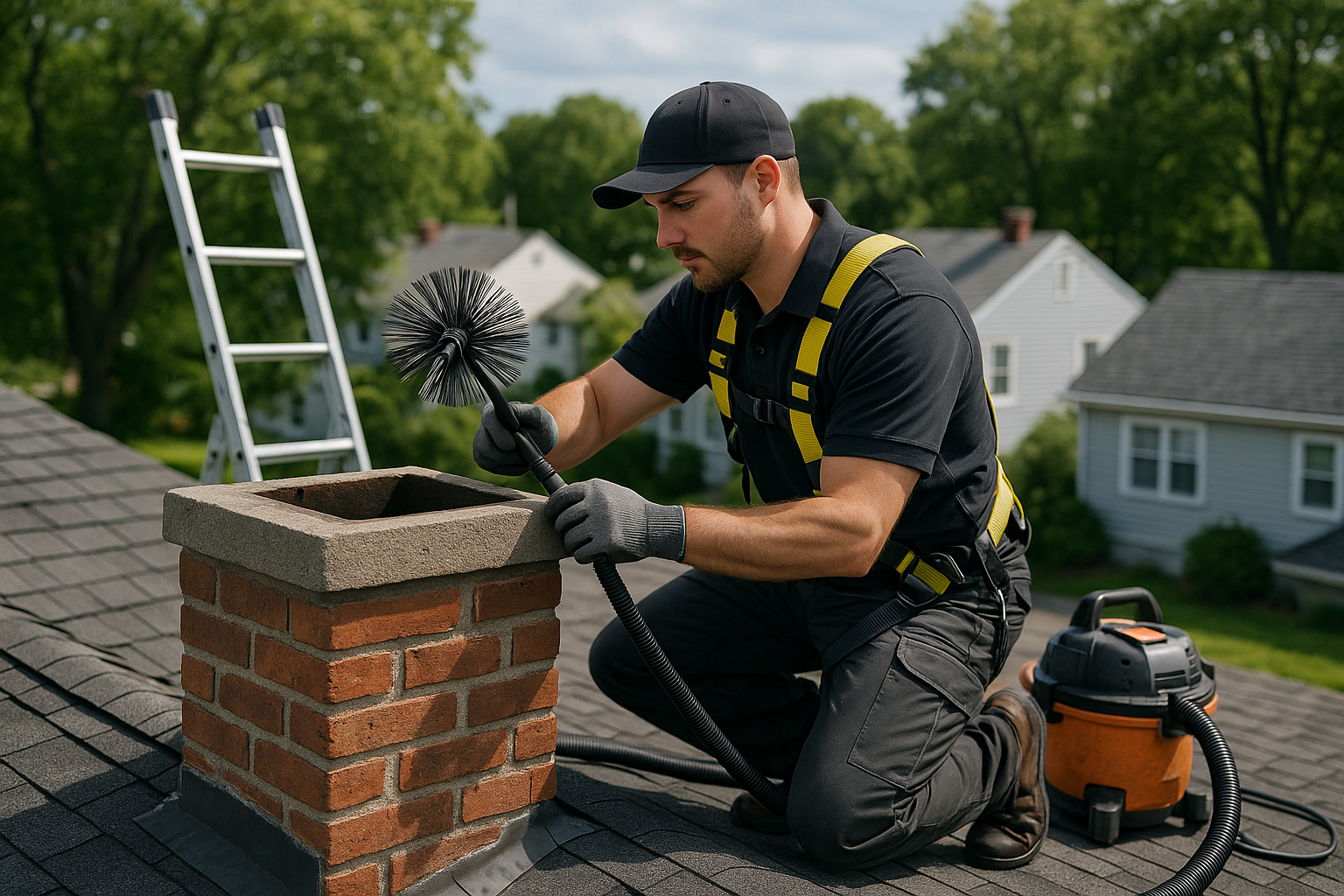
Mess-Free Sweeping
Detailed Photo Reports
A chimney liner protects your home’s framing and living spaces from extreme heat and corrosive flue gases. When a liner cracks, separates at the joints, or corrodes, it can allow heat and carbon monoxide to escape into hidden cavities. In older Wallingford homes, clay tile liners often show age-related damage from decades of freeze–thaw cycles and moisture intrusion. That’s why Wallingford Chimney Experts Co. focuses on accurate diagnosis and code-compliant solutions that restore safety and performance for the long term.
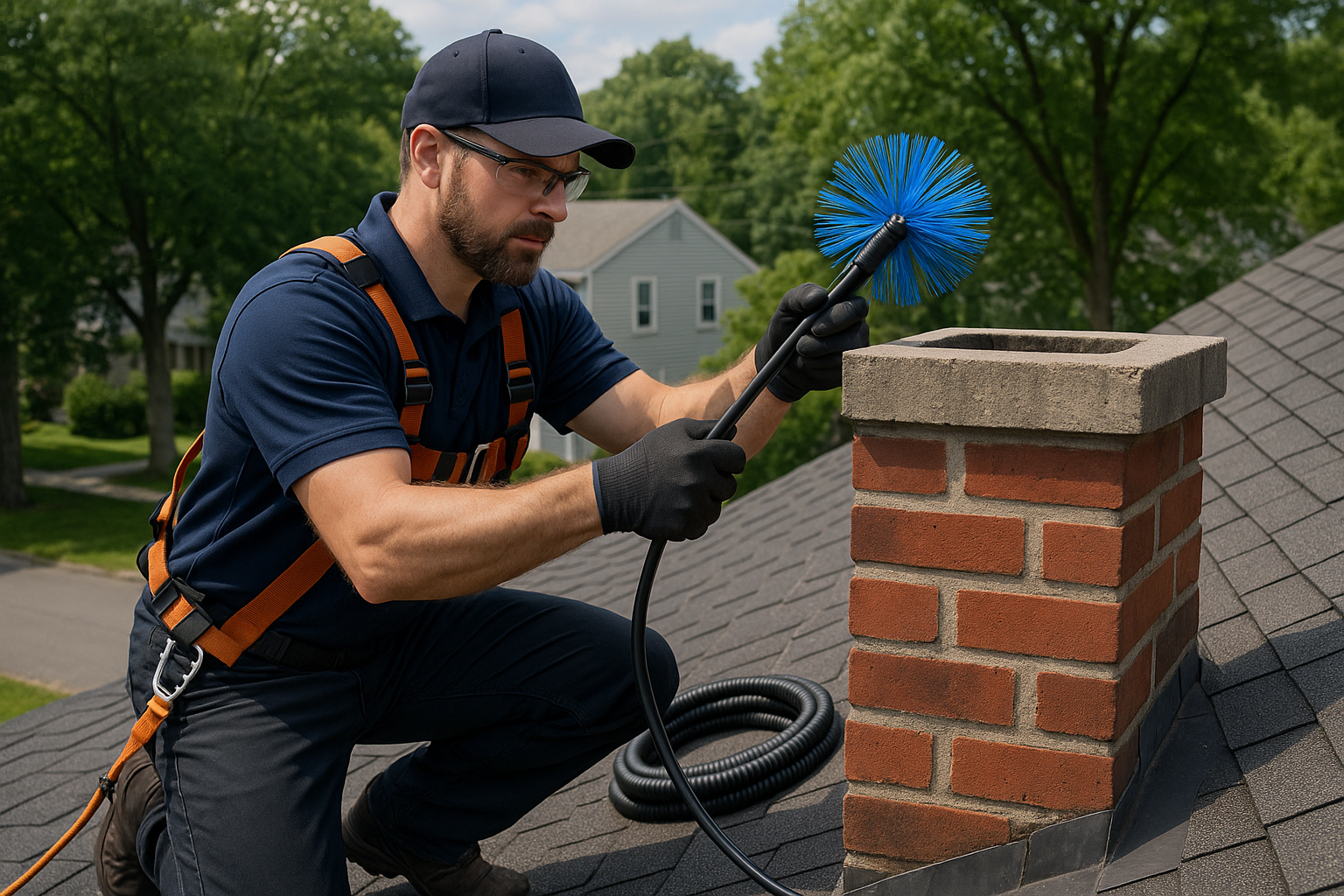
We install and repair liners for wood-burning fireplaces, gas and oil appliances, pellet stoves, and inserts. Every solution we propose is sized for your appliance’s BTU rating, flue height, and draft requirements, then installed with insulation for maximum safety and efficiency. You’ll receive clear explanations, photo documentation, and a clean work area—start to finish.
Book Liner Evaluation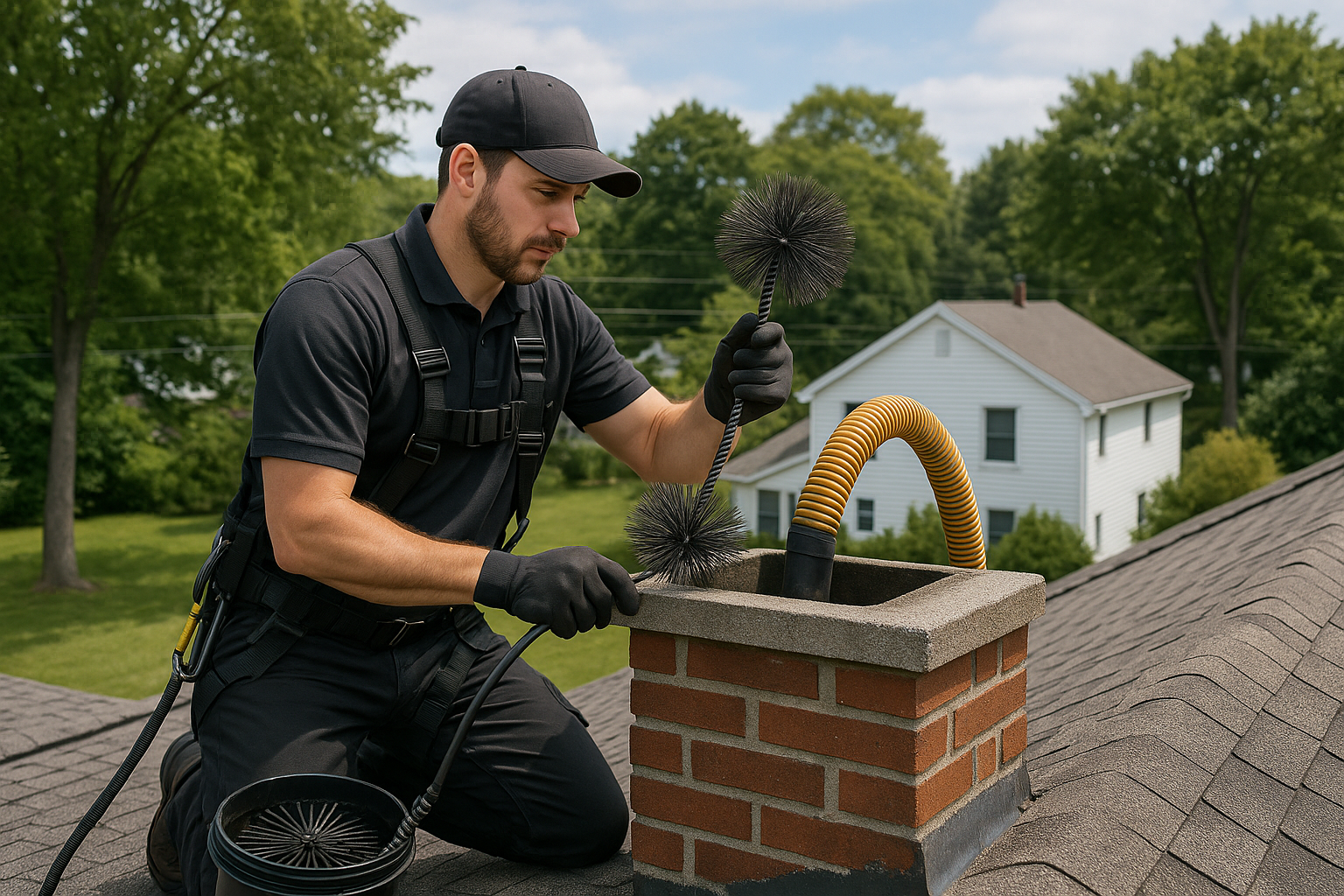
We match material and design to your fuel type, fireplace or appliance, and budget.
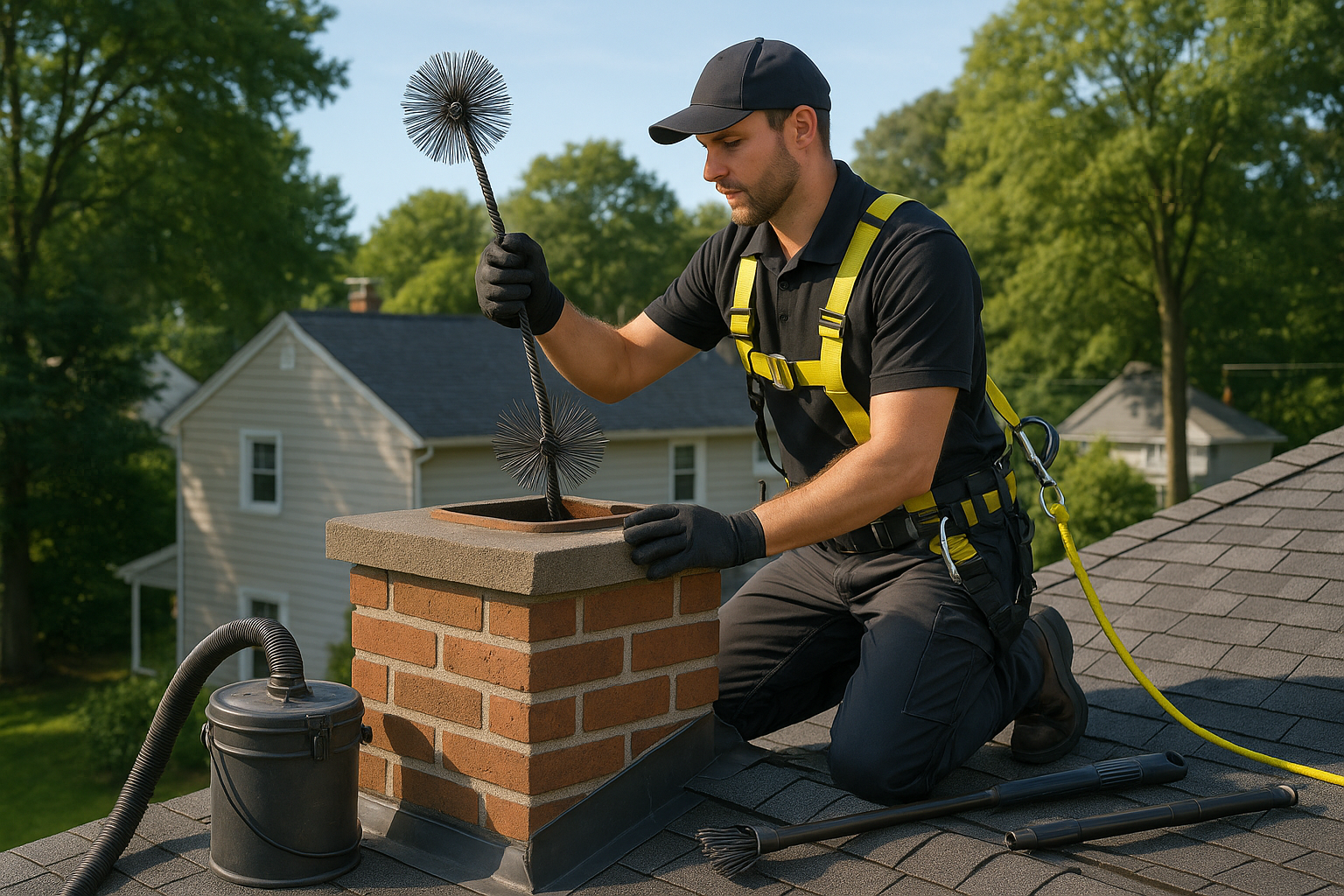
Our most popular and versatile option for wood, gas, and oil systems. Stainless liners resist corrosion and withstand high heat, and they can be insulated with wrap or poured mix for improved draft and safety. Flexible liners navigate offsets; rigid sections are ideal for straight runs with superior airflow.
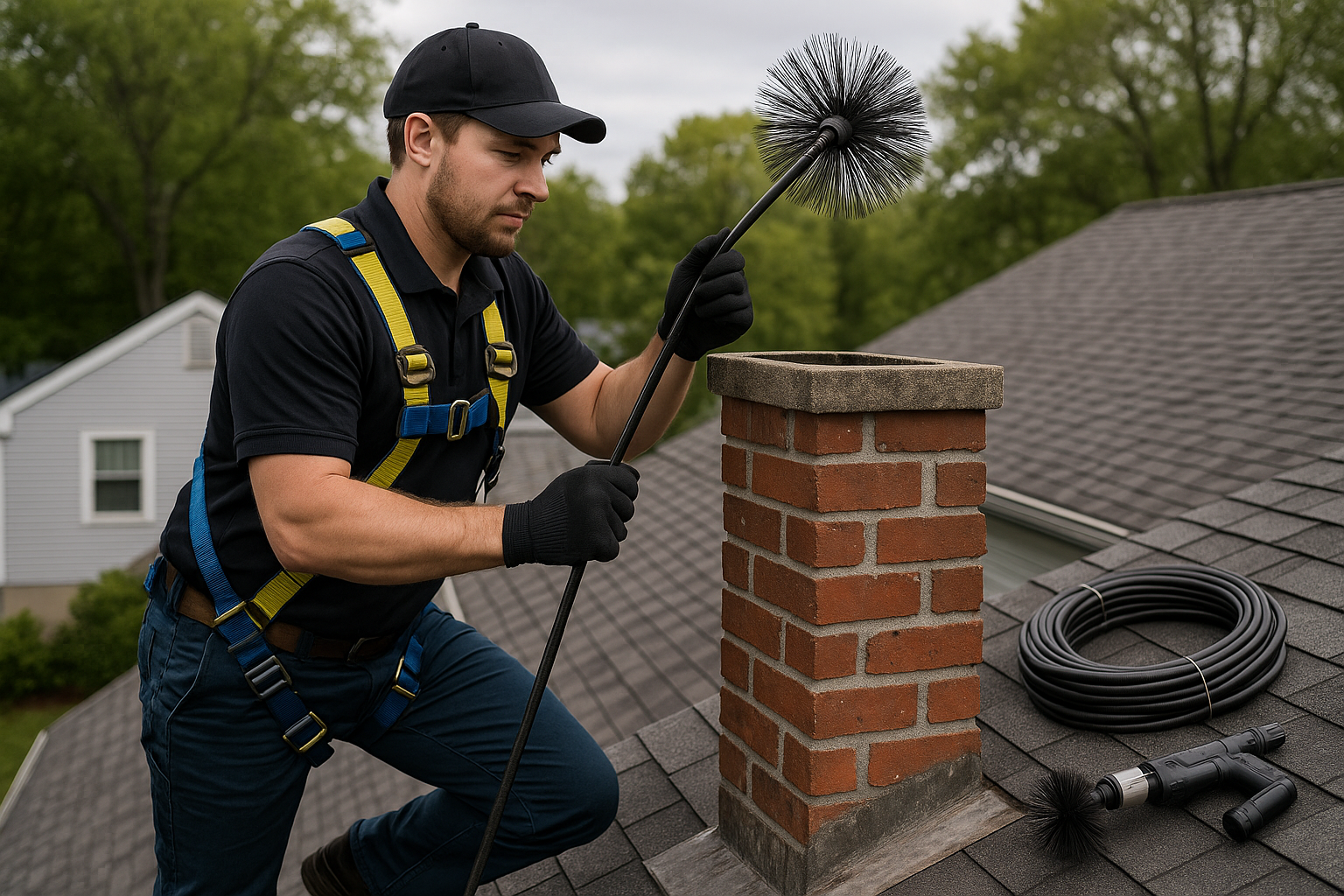
Lightweight, cement-like liners formed inside the existing flue. These systems seal gaps, reinforce compromised masonry, and create a smooth, insulated flue surface. Excellent when tile replacement is impractical and when structural reinforcement is beneficial.
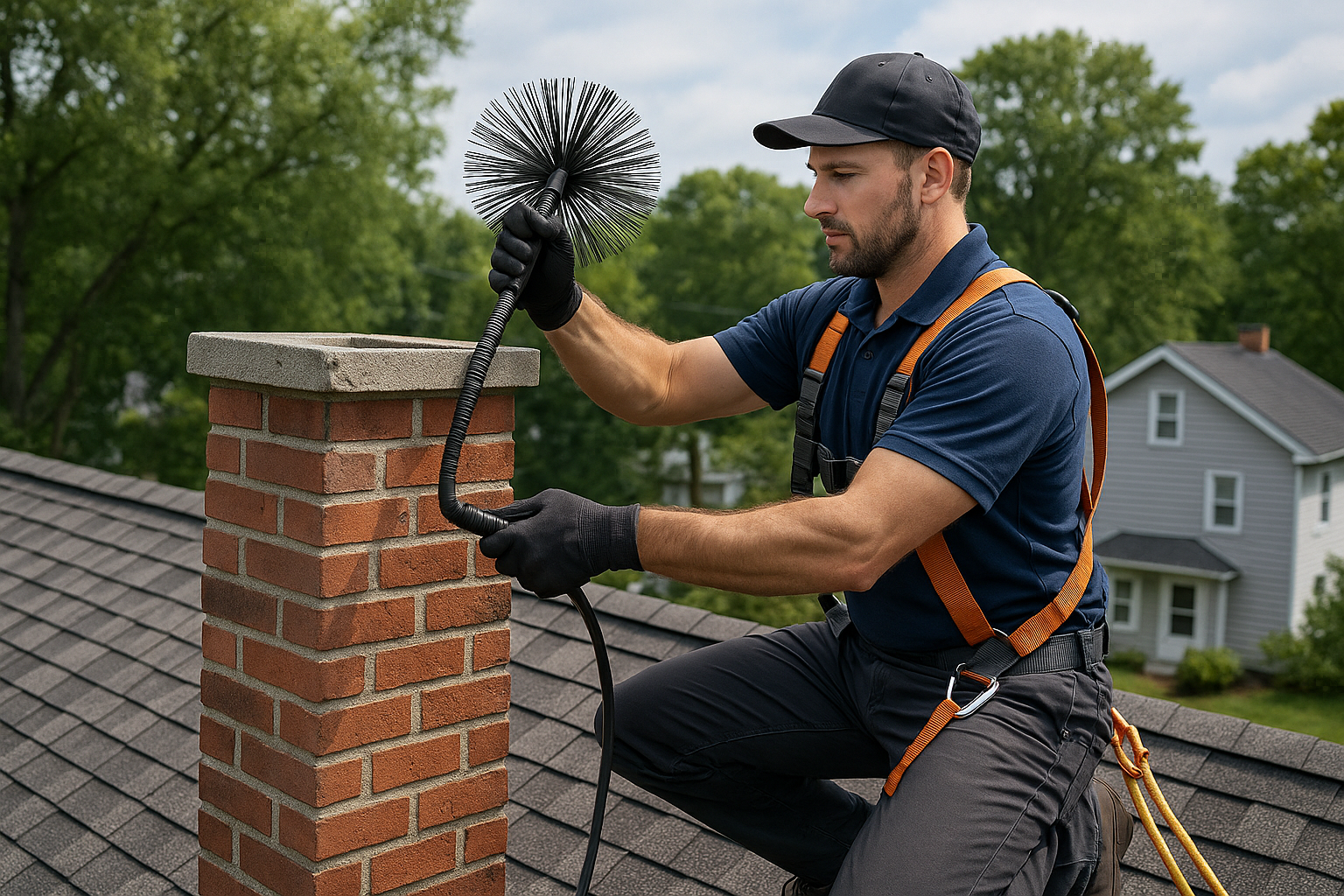
Where damage is localized, we can replace broken tiles and re-seal joints with refractory materials. This preserves original character while addressing the immediate hazard—useful in cases where full relining isn’t required or as an interim measure before a larger project.
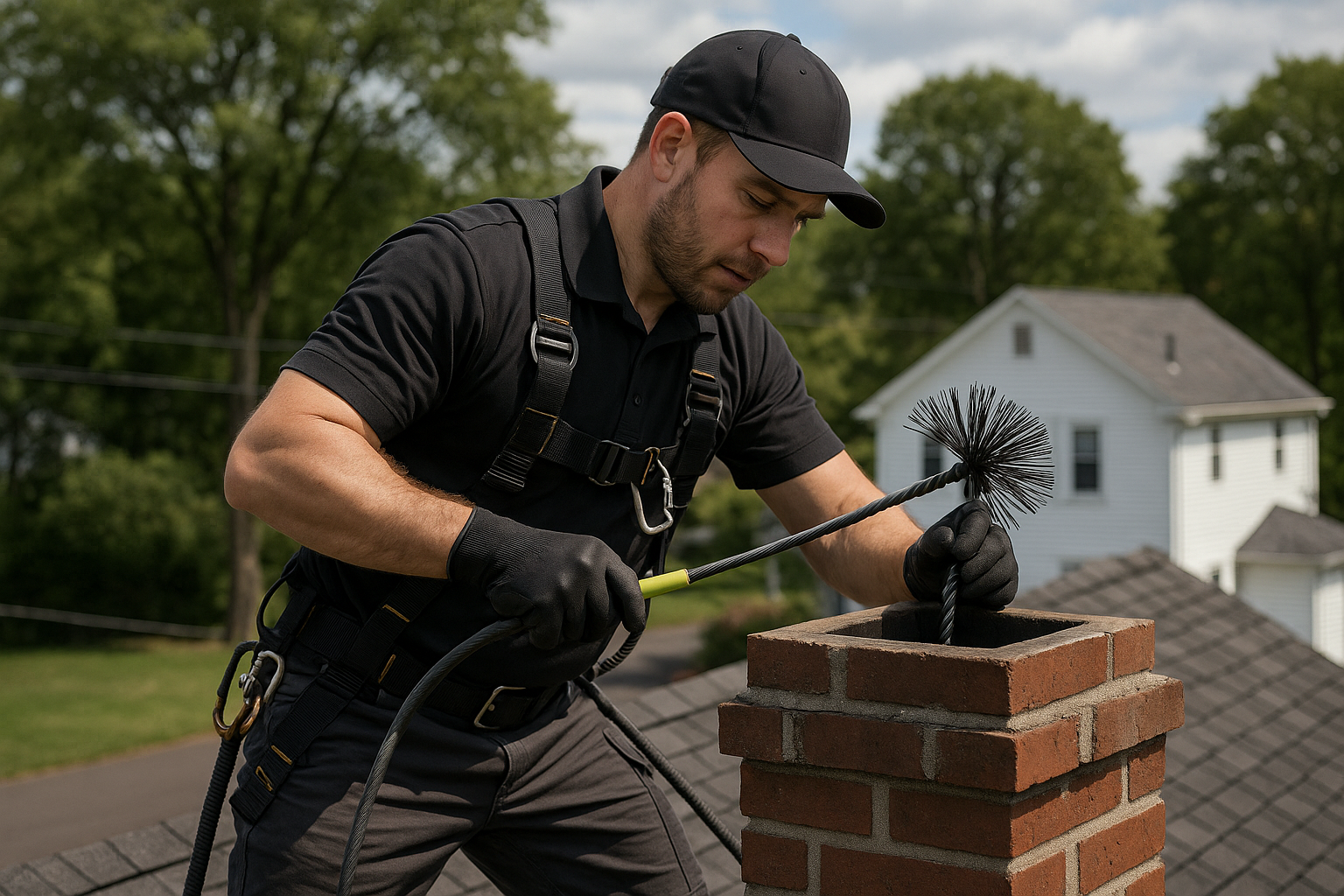
Furnaces, boilers, water heaters, and gas inserts often require smaller-diameter, manufacturer-specified liners. We calculate sizing to maintain draft, reduce condensation, and meet code and warranty requirements for your specific appliance.
We begin with a Level 2 video inspection to evaluate flue tiles, joints, offsets, and potential blockages. Draft measurements and appliance data help determine the correct liner diameter and insulation strategy. After you approve the estimate, we prep the site, protect interior finishes, and lower the liner into place. Terminations are finished with a stainless top plate, storm collar, and cap; connections at the base are sealed, supported, and verified for alignment. Before we leave, we perform draft tests and provide photo documentation for your records.
Camera scan, draft checks, and appliance review to confirm issues and define the right approach.
We size the liner, choose rigid or flex, select insulation, and plan terminations to meet code and manufacturer specs.
Careful lowering, centering, and anchoring; clean connections and weatherproof top termination for longevity.
We test draft, review photos with you, share maintenance tips, and provide documentation for insurance or sale.
• Smoke spillage or persistent fireplace odors
• Cracked or missing clay tiles visible on camera
• Rust flakes, tile pieces, or sand-like debris in the firebox
• White efflorescence stains on the exterior chimney
• History of chimney fire or conversion to a new fuel type
• Excessive condensation or moisture damage in the flue
If any of these sound familiar, schedule an inspection. We’ll confirm whether cleaning, spot repair, or full relining is the safest, most cost-effective path.
Safety today, efficiency all season, documentation for tomorrow.
Properly lined chimneys prevent heat transfer to combustibles and reduce the chance of structure fires.
Correct liner sizing streamlines airflow, cuts smoke spillage, and improves appliance efficiency.
Clean, dry venting reduces corrosion and backdraft issues that can shorten equipment life.
Meets NFPA 211 and manufacturer requirements—often essential for home sales, insurance, and peace of mind.
A few simple habits keep your new liner performing for years.
Schedule yearly checks to catch early signs of wear and verify clearances, connections, and draft. We also clean soot deposits to preserve airflow.
Use seasoned hardwoods, avoid trash or glossy paper, and establish strong draft at startup. Smarter burning reduces creosote and protects your liner.
Top your system with a quality cap and sound crown. Waterproof exterior masonry to keep moisture out and extend the liner’s life.
Get expert chimney relining and liner repairs in Wallingford, CT. We size, install, and document everything—leaving you with safer fires, better draft, and lasting peace of mind.